
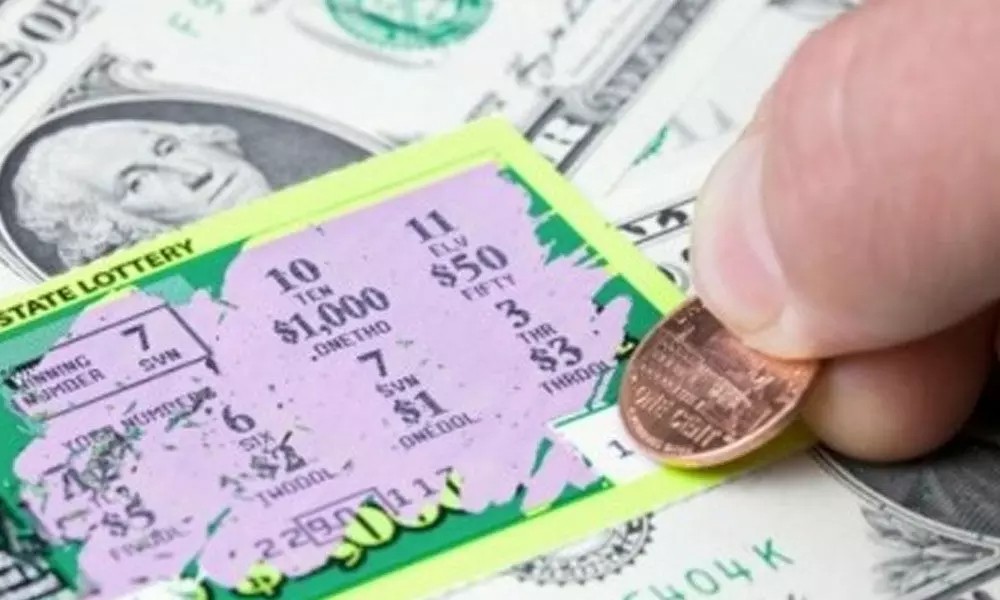
Single-combination purchases are where most people begin, and for good reason, the process is simple and quick. At some point, though, one number set starts feeling like a narrow window into a drawer that holds far more possibilities.
Multi-line entries open that window wider. Rather than submitting one combination and waiting, participants build out several number sets within a single purchase, each one independent from the last. In แทงหวย, this happens inside the same session without extra steps or separate transactions. Every combination gets reviewed before anything is confirmed, and everything is submitted together at once. For anyone who has only ever purchased single combinations, the first multi-entry session feels like a natural step forward rather than something unfamiliar.
Coverage is the real attraction here. One combination lives or falls entirely on its own numbers. Four combinations within the same purchase each engage the draw from a different angle. A number missed in the second set might appear across the fourth. Nothing is guaranteed, but contact with the draw result increases meaningfully when more than one combination is active. Most participants who try this format once tend to stick with it, not because of any mechanical advantage, but because engaging a draw across several combinations feels more complete than relying on a single selection every time.
Building your ticket
Most digital interfaces walk participants through additional combinations without any friction. After the first number set is chosen, a prompt appears to extend the purchase with another combination directly within the same screen. Each addition opens a completely fresh selection grid, independent from whatever came before. Auto-fill features handle sets that participants want populated quickly, while manual selection stays available for anyone who prefers deliberate number choices throughout. Before submission, every combination appears in a clear stacked layout. Edits are straightforward at this stage – adjustments can be made freely until the moment the full purchase gets confirmed and locked into the current draw session.
How prize checking works
After a draw closes, every combination within the purchase gets assessed on its own merits. A match in the third set has no connection to how the first performed. Two separate partial matches across different combinations produce two separate prize outcomes – nothing combines, nothing cancels out. Most accounts send a notification after results are published, flagging exactly which combination produced a match so participants know precisely where within the full purchase a result occurred. Prize assessment generally follows this pattern:
- Full number match on any combination qualifies for the highest prize tier
- Partial matches on each set are assessed and rewarded individually
- Several winning combinations within one purchase generate separate prize amounts
- Free-entry rewards tied to specific combinations get credited to the account separately
Picking number combinations
Personal preference drives most selection decisions, and no single method outperforms another in any measurable way. What matters is that each combination feels deliberately chosen rather than carelessly filled. Common approaches among regular participants include:
- Distributing selections evenly across the full number range within each set
- Pairing one manually chosen combination with several randomly generated ones
- Referencing past purchases when building new sets purely for variety
- Adjusting selection count per combination where the format allows flexibility
Whatever approach gets used, every submitted combination holds equal standing in the draw. Multi-line entries give each purchase session more ground to cover across a single draw.

Comments are closed.